
Introduction: The Modern Album Promotion Landscape
Independent artists now control their music careers in ways that were impossible a decade ago. Today, streaming accounts for 69.0% of global recorded music revenues, confirming that digital platforms are now the primary revenue engine for artists worldwide.
With streaming dominance comes a critical challenge: visibility. Many artists struggle with the "Silence Risk"—releasing music without proper planning and watching it disappear into algorithmic obscurity.
Surprise drops work for superstars with massive fanbases. For independent artists, they're a recipe for failure.
Successful album promotion requires strategic planning that starts months before release, not after. This guide walks you through 12 data-backed strategies to maximize your album's reach, build genuine fan engagement, and generate sustainable streaming revenue.
TLDR: Quick Guide to Album Promotion Success
- Begin promotion 8-12 weeks before release with clear album narrative and visual identity
- Generate 1,000+ pre-saves to trigger algorithmic playlist placement and boost first-week streams by 50%+
- Submit to Spotify editors 28 days in advance and pitch independent playlist curators in your genre
- Create 10-15 TikTok videos weekly featuring album snippets—short-form video delivers highest ROI
- Coordinate album release with live performances to drive 42% local streaming growth
Pre-Release Planning: Laying the Foundation
Define Your Album Story and Brand
Every successful album needs a compelling narrative that makes it newsworthy and memorable. Your story centers on the "why" behind the project, not just the music itself.
Identify your core narrative:
- What inspired this album? (Personal experience, social commentary, artistic evolution)
- What makes it different from your previous work?
- Why should listeners and media care right now?
Albums with clear, compelling narratives receive significantly more media coverage than those without a story angle. Music journalists receive hundreds of pitches weekly—your narrative is what cuts through the noise.
Develop your visual identity:
- Commission professional album artwork that visually represents your story
- Choose a consistent color palette and typography for all promotional materials
- Create templates for social media posts that maintain visual cohesion
Make your visual brand instantly recognizable across every platform, from Spotify canvas videos to Instagram posts.
Craft Your Album Rollout Timeline
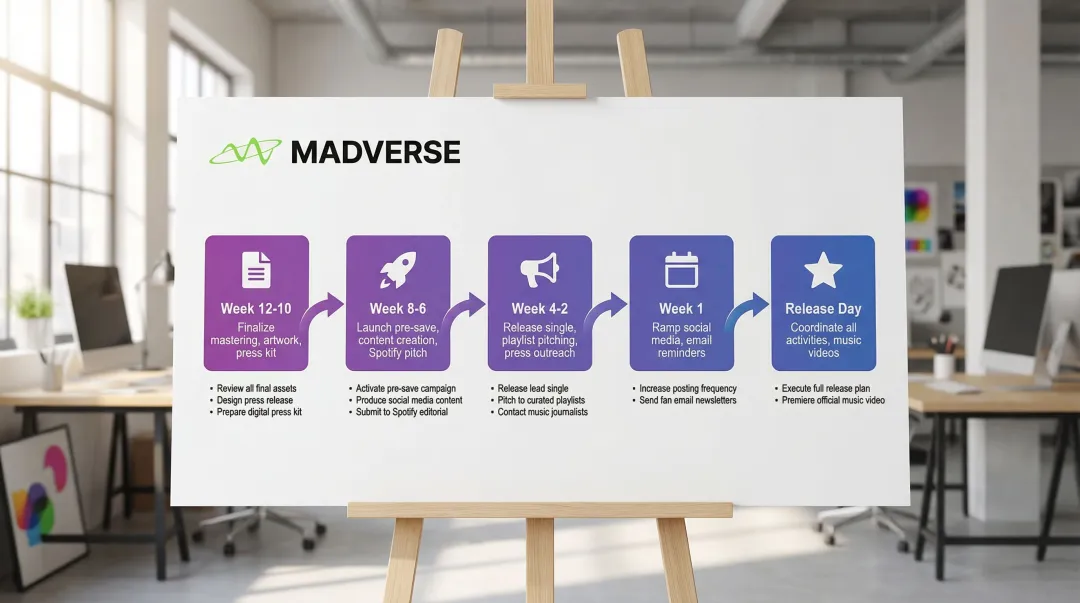
Once your visual identity is set, map your promotional timeline. Work backwards from your release date—the industry standard is 8-12 weeks minimum for independent artists to build sufficient momentum.
Key milestones to schedule:
- Week 12-10: Finalize mastering, create press kit, commission artwork
- Week 8-6: Launch pre-save campaign, begin content creation, pitch to Spotify editors (28 days before release)
- Week 4-2: Release lead single, begin playlist pitching, start press outreach
- Week 1: Ramp up social media posting, send email reminders, prepare release day content
- Release Day: Coordinate all promotional activities, go live with music videos
Build buffer time into your schedule. Mastering delays, artwork revisions, and platform approval processes can derail tight timelines.
Build Anticipation with Pre-Release Content
Pre-save campaigns are essential for streaming algorithms. Campaigns generating 1,000+ pre-saves can lift first-day streams by 50%+ and significantly increase your chances of landing on Release Radar.
Content strategies that build anticipation:
- Studio footage: Share short clips from recording sessions showing the creative process
- Lyric teasers: Post cryptic snippets of lyrics with atmospheric visuals
- Track title reveals: Build a countdown revealing one track title per day
- Snippet previews: Share 15-second audio previews of different songs
Launch your pre-save campaign at least 4 weeks before release. Use dedicated pre-save tools that capture email addresses while connecting to streaming platforms.
Secure Early Assets and Materials
Scrambling for promotional materials after announcement is a common mistake that kills momentum.
Essential assets to prepare:
- Press photos: Professional, high-resolution images (minimum 300 DPI) in multiple orientations
- Album artwork: Final cover art plus alternative versions for different platforms
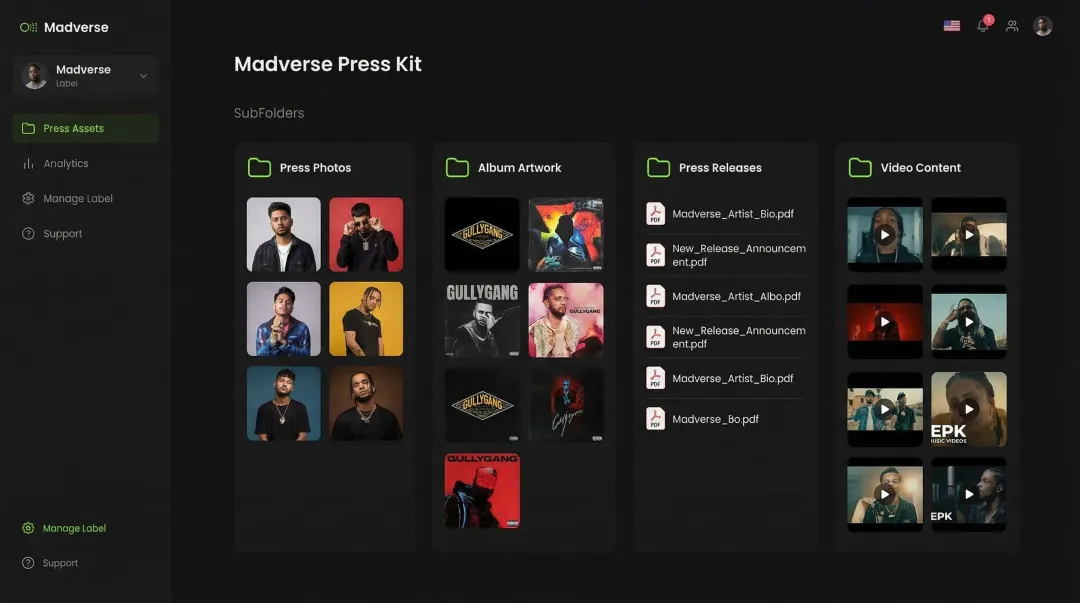
- Press kit: One-page bio, press release, high-res images, streaming links, contact information
- Video content: Music videos, lyric videos, or visualizers filmed during or immediately after recording
Create a digital press folder using Google Drive or Dropbox with organized subfolders. This makes it easy to send materials to media contacts, playlist curators, and promotional partners.
Distribution and Platform Strategy
Choose the Right Distribution Channels
Your distributor is the technical backbone of your release. Different services offer varying royalty structures, features, and support levels.
Distribution models compared:
| Model | Cost Structure | Artist Royalty | Best For |
|---|---|---|---|
| Flat subscription | ₹1,900-2,400/year | 100% | Artists releasing frequently |
| Per-release fee | ₹800-1,200 per album | 91% (9% commission) | Occasional releases |
| Commission-based | Free upfront | 85% (15% commission) | Budget-conscious artists |
Most independent artists prioritize keeping maximum royalties while accessing major streaming platforms like Spotify, Apple Music, YouTube Music, and Amazon Music. Services like Madverse offer 95% royalty retention, bridging the gap between flat subscription and commission-based models.
Look for distributors that include essential features like YouTube Content ID protection and Dolby Atmos support, which protect your revenue and expand your format options.
Key distributor features to check:
- YouTube Content ID for monetizing your music across YouTube
- Dolby Atmos distribution for immersive audio formats
- Comprehensive analytics showing audience demographics and engagement
- Royalty splits at source for seamless collaborator payments
Optimize Your Streaming Platform Presence
Once you've chosen your distributor, turn your attention to where listeners will discover you. Your artist profile is digital real estate—optimize every element before release.
Profile optimization checklist:
- Claim your artist profiles on Spotify, Apple Music, YouTube Music, Amazon Music
- Upload professional profile photos and header images matching your album branding
- Write compelling artist bios (150-300 words) that tell your story
- Link all social media accounts to drive cross-platform traffic
- Ensure your back catalog is complete and properly categorized
Canvas videos boost engagement: Adding high-quality Canvas (8-second looping visuals) to tracks increases streams by up to 120% and saves by 114%. Create unique Canvas videos for each single using album artwork, performance footage, or abstract visuals.
Plan Your Release Strategy
Release timing impacts algorithmic performance and editorial consideration.
Strategic release decisions:
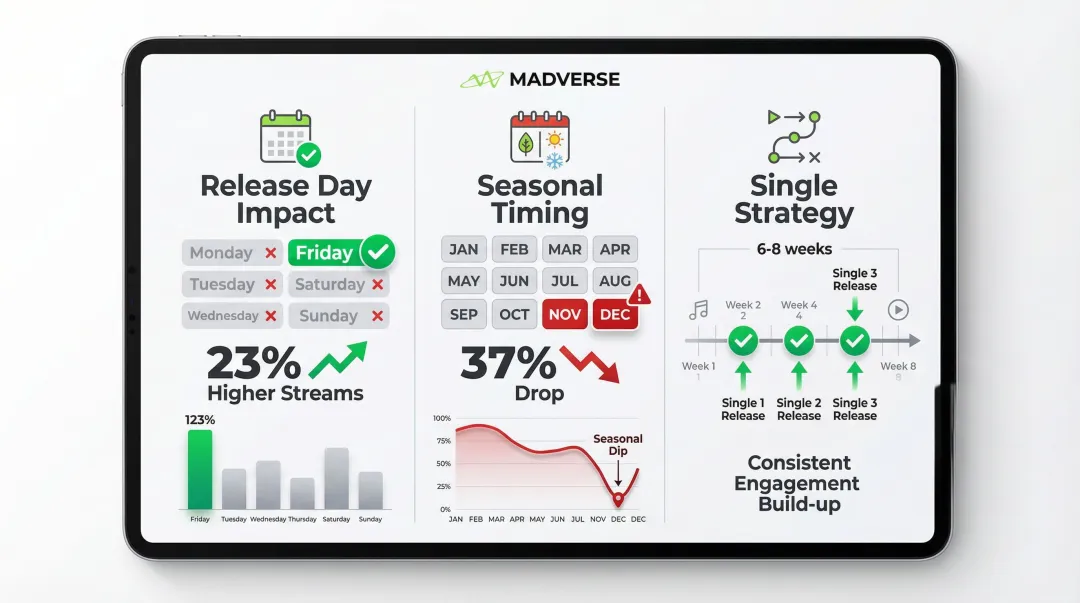
- Release day: Friday generates 23% higher first-week streams than other days due to playlist refresh cycles
- Seasonal timing: Avoid December for non-holiday music—editorial placements drop 37% due to market saturation
- Single strategy: Release 2-3 singles over 6-8 weeks before the full album to build momentum
Beyond timing, coordinate your release with tour announcements or music video premieres. Artists who announce tours simultaneously with new music see 35-45% higher ticket conversion rates.
Set Up Tracking and Analytics
Your release strategy only works if you can measure its impact. Establish tracking systems before launch to see what's working.
Analytics to monitor:
- Stream counts by platform and geography
- Playlist additions (editorial, algorithmic, and independent)
- Audience demographics (age, gender, location)
- Traffic sources (social media, playlists, direct searches)
Platforms like Madverse provide advanced analytics dashboards showing real-time performance data and audience insights.
Use UTM parameters in all promotional links to track which campaigns drive the most engagement.
Set realistic goals based on your current audience size. If your previous release generated 10,000 streams in the first month, aim for 15,000-20,000 with improved promotion—not 100,000.
Social Media and Content Marketing
Create a Comprehensive Content Calendar
Random posting kills momentum. Strategic content calendars build anticipation step by step.
12-week content framework:
- Weeks 12-9: Behind-the-scenes content, studio updates, early teasers
- Weeks 8-5: Pre-save announcements, track title reveals, snippet previews
- Weeks 4-1: Single releases, music video premieres, countdown content
- Release week: Album celebration posts, thank you messages, streaming links
- Weeks post-release: Track breakdowns, fan features, performance videos
Map content across all active platforms with appropriate formats for each. Don't just repost identical content everywhere—adapt for platform-specific features and audiences.
Master Platform-Specific Features
Different platforms serve different purposes in your promotion strategy. Short-form video delivers the highest ROI of any content format, with TikTok leading engagement rates across all social platforms.
Platform-specific strategies:
| Platform | Posting Frequency | Content Type | Engagement Rate |
|---|---|---|---|
| TikTok | 10-15 posts/week | Album snippets, creative concepts, trending sounds | 3.70% |
| 3-5 posts/week | Reels with album clips, Stories with polls/countdowns | 0.48% | |
| YouTube | 1-2 videos/week | Music videos, track breakdowns, behind-the-scenes | 5.91% (Shorts) |
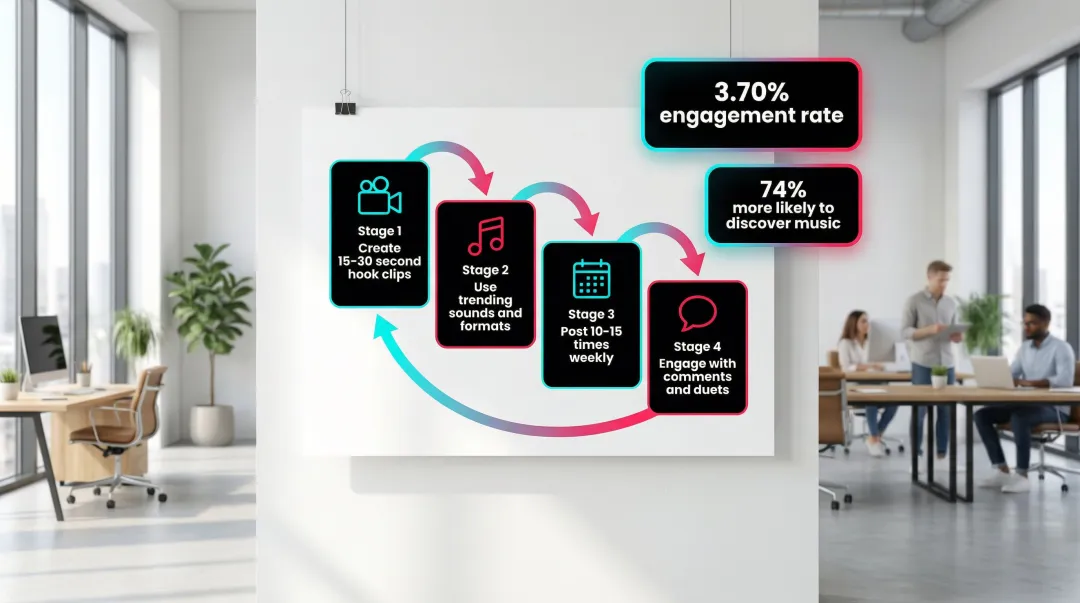
TikTok users are 74% more likely to discover and share new music than users on other platforms. In 2024, 84% of songs entering the Billboard Global 200 went viral on TikTok first.
TikTok strategies that work:
- Create 15-30 second clips featuring your catchiest hooks
- Use trending sounds and formats adapted to your music
- Post consistently (10-15 times weekly) to train the algorithm
- Engage with comments and duet fan videos
Build Email Marketing Campaigns
While social media grabs attention, email converts listeners into dedicated fans. Email remains one of the highest-converting channels, with open rates for music industry emails averaging 18-22%.
Email campaign sequence:
- Announcement email (Week 8): Reveal album title, artwork, and pre-save link
- Pre-save reminder (Week 4): Share lead single and reinforce pre-save call-to-action
- Release day email: Celebrate launch with streaming links and thank supporters
- Post-release follow-up (Week 2): Share early results, thank fans, request playlist adds
Offer exclusive incentives for email subscribers: early access to singles, bonus tracks, discount codes for merchandise, or entry into giveaways.
Scale With Paid Social Media Advertising
Most artists reach only 5-10% of their followers organically. Paid advertising fills this gap by putting your music in front of listeners who don't follow you yet.
2026 advertising benchmarks:
| Metric | Meta (Facebook/Instagram) | TikTok | Target Goal |
|---|---|---|---|
| CPM (Cost per 1,000 impressions) | ₹660-2,100 | ₹330-1,250 | Lower is better |
| Cost Per Save | ₹25-100 | ₹25-100 | ₹25-100 range |
Use these benchmarks to evaluate your campaign performance:
Advertising strategy:
- Start with ₹3,300-8,300 total budget split across 2-3 campaigns
- Test different ad creatives (video vs. static, different hooks)
- Target lookalike audiences based on your existing followers
- Retarget people who engaged with organic content but didn't pre-save
TikTok offers lower CPMs for top-of-funnel awareness campaigns, while Meta delivers higher-intent clicks. Test both platforms with small budgets before scaling winners.
Playlist Pitching and Editorial Outreach
Pitch to Spotify Editorial Playlists
Editorial playlist placement can transform an album's reach—landing on even one major editorial playlist can generate tens of thousands of streams. However, timing and pitch quality are critical factors that determine whether editors even review your submission.
Spotify editorial submission guidelines:
- Submit through Spotify for Artists at least 28 days before release (not the 7-day minimum)
- The 4-week lead time ensures editors have adequate review time and guarantees Release Radar placement
Craft a compelling pitch:
- Explain your album's story and what makes it unique
- Identify the primary genre and mood accurately
- Reference similar artists who've been playlisted
- Include notable achievements (previous streams, press coverage, tour dates)
Be realistic about editorial placement odds. Editorial playlists receive thousands of submissions weekly, making independent curator outreach a more reliable starting point for most artists.
Target Independent Playlist Curators
Independent curators manage thousands of playlists across genres with highly engaged audiences. These curators often respond directly to pitches and can provide placements within days rather than weeks. While individual playlists may be smaller than editorial ones, consistent placements across multiple independent playlists can drive substantial streaming momentum.
Finding and pitching curators effectively:
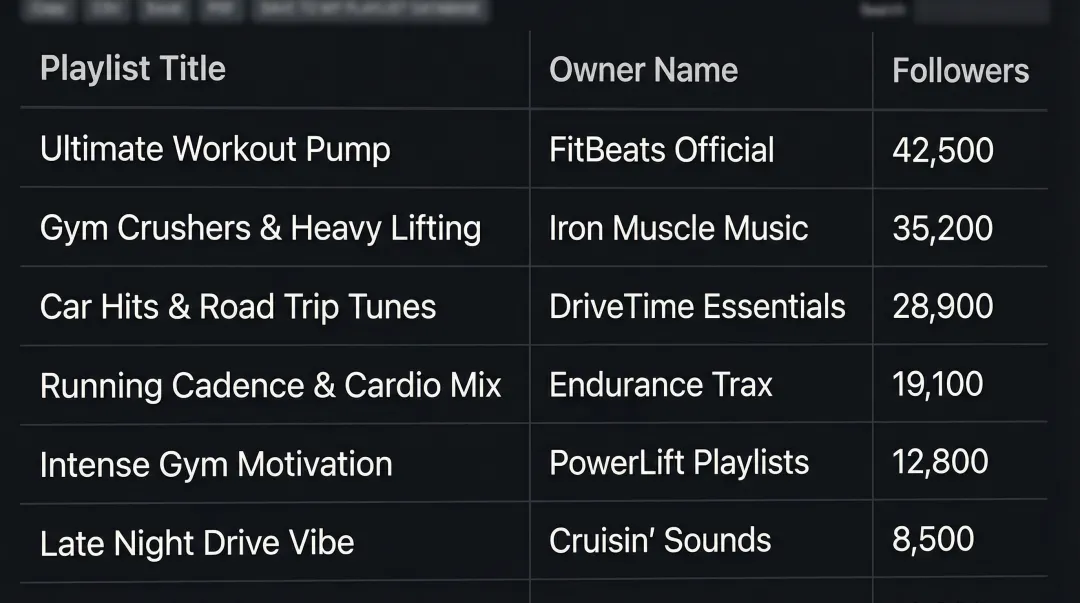
- Search Spotify for playlists in your genre with 1,000-50,000 followers
- Identify curators through their profile links or contact information in playlist descriptions
- Send personalized pitches explaining why your music fits their playlist's vibe
- Follow up once if you don't hear back within 2 weeks
Structure your pitch with these elements:
- Subject: Brief, specific (not "Check out my music")
- Opening: Compliment their playlist specifically
- Body: Explain why your track fits (mood, genre, similar artists they've featured)
- Close: Include streaming link and thank them for consideration
Playlist placements significantly impact streams and discovery, with even mid-sized independent playlists driving thousands of streams over time. If you're using a distribution service like Madverse that includes editorial playlist pitching, combine their professional outreach with your own independent curator strategy for maximum coverage.
Leverage Algorithmic Playlists
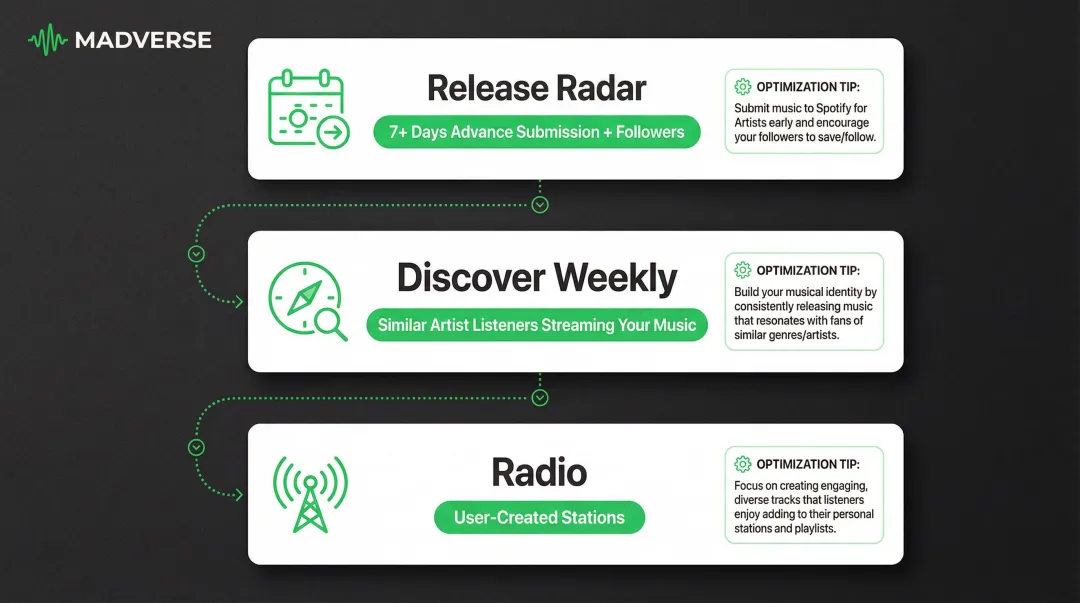
Spotify's algorithmic playlists (Release Radar, Discover Weekly, Radio) operate differently from editorial ones—they're triggered by listener behavior rather than human curation. These playlists can become your most powerful discovery tool once you understand how to activate them.
Here's how each algorithmic playlist works:
- Release Radar: Appears automatically for followers if you submit 7+ days in advance
- Discover Weekly: Triggered when listeners who enjoy similar artists stream your music
- Radio: Activated when users create stations based on your songs or similar artists
Boost your algorithmic visibility by:
- Encourage fans to follow your artist profile (not just save songs)
- Drive high engagement in the first week post-release
- Maintain consistent release schedule (quarterly minimum)
- Encourage playlist adds and shares from engaged listeners
High pre-save numbers and first-week engagement signal to algorithms that your music resonates, increasing algorithmic playlist inclusion likelihood. Combined with strategic playlist pitching, algorithmic placement creates a compounding effect that extends your album's promotional reach for months after release.
Live Performances and Fan Engagement
Plan Album Release Shows and Tours
Live performances are not just revenue sources—they're streaming catalysts. Median live events drive 42% growth in local on-demand streaming during event weeks.
Release show strategy:
- Schedule your release concert within 2 weeks of album drop
- Choose a venue matching your current draw (sell 70-80% capacity minimum)
- Perform the album front-to-back or feature multiple new tracks
- Set up merch tables with physical albums, exclusive bundles, and signed copies
Tour coordination:
- Plan a tour starting 4-6 weeks after release when album awareness peaks
- Target cities showing strong streaming numbers in your analytics
- Announce tour dates simultaneously with album announcement for maximum conversion
Artists who coordinate release announcements with tour dates see 35-45% higher ticket sales than those who separate the announcements.
Beyond standard performances, creating exclusive experiences transforms casual attendees into devoted advocates.
Create Exclusive Fan Experiences
Superfans drive outsized value. Super listeners represent only 2% of monthly listeners but account for 18% of streams.
Superfan engagement strategies:
- VIP packages: Early entry, meet-and-greets, exclusive merchandise
- Listening parties: Intimate pre-release album playback sessions in select cities
- Livestream events: Virtual Q&As, acoustic performances, or album commentary for remote fans
- Subscription tiers: Patreon or similar platforms offering exclusive content, early releases, behind-the-scenes access
These experiences build loyalty and turn casual listeners into advocates who actively promote your music within their networks.
Engage Fans in Your Promotion
User-generated content extends your reach exponentially while building community.
Effective fan engagement campaigns include:
- Cover contests: Invite fans to record covers of album tracks for prizes
- Remix competitions: Provide stems for fans to create official remixes
- Fan art challenges: Encourage visual interpretations of your album with dedicated hashtag
- Social sharing incentives: Create shareable graphics and reward fans who post them
Launch a dedicated album hashtag and feature the best fan content on your official channels. Recognition motivates continued engagement and attracts new participants.
Media Outreach and Strategic Partnerships
Pitch to Music Blogs, Magazines, and Press
Press coverage builds credibility and creates shareable content for social media, even if direct streaming impact is modest.
Building your media list:
- Research blogs, magazines, and podcasts covering your genre
- Prioritize outlets that have featured similar artists recently
- Include local/regional media in your tour markets
- Target niche publications over massive outlets with low response rates
Effective pitch structure:
- Personalized subject line referencing their recent coverage
- Concise email (150-200 words maximum) highlighting newsworthy angle
- Attach press kit or link to digital press folder
- Offer exclusives (premiere streams, interviews, guest articles) to increase interest
This personalization matters because only 21% of communications professionals rate their ability to identify the right influencers as excellent. Mass email blasts fail. Highly targeted, personalized pitches to niche outlets yield better results.
Build Strategic Partnerships
Partnerships amplify reach by tapping into established audiences aligned with your music.
Partnership opportunities:
- Brand collaborations: Partner with brands whose values align with your album themes
- Cause marketing: Align with nonprofits or social movements related to your music's message
- Cross-promotion: Collaborate with similar artists for mutual promotion
- Sync licensing: Pursue placements in TV, film, commercials, or video games
Sync placements offer both upfront licensing fees and long-term royalty streams while exposing your music to massive new audiences.
Platforms like Madverse connect independent artists directly with music supervisors seeking fresh tracks for media projects, streamlining the sync licensing process that traditionally required industry connections.
Leverage Radio and Podcast Opportunities
Terrestrial radio remains challenging for independents, but alternative channels provide accessible entry points.
Radio and podcast targets:
- College radio: Stations actively seek independent music and offer interview opportunities
- Community radio: Local stations support regional artists with airplay and live sessions
- Online radio: Platforms like Pandora, iHeartRadio, and genre-specific stations
- Music podcasts: Guest appearances discussing your creative process and album story
Pitch local radio stations in your tour markets for interviews or live performances timed with your shows. The combined radio mention and concert appearance creates powerful local momentum.
Frequently Asked Questions
How do you promote your music album?
Start 8-12 weeks early with pre-release planning, strategic distribution, social media content (especially short-form video), and playlist pitching. Combine live performances and media outreach into a cohesive strategy rather than treating them as isolated tactics.
What are the best music promotion services?
Distribution platforms like Madverse offer 95% royalty retention with access to major streaming platforms, analytics, and sync licensing. Complement with social media ads (Meta, TikTok), playlist pitching services, and PR firms if budget allows (₹83,000-4,15,000 for professional campaigns).
How long before release should I start promoting my album?
Start 8-12 weeks before your release date, with planning beginning during recording. This allows time for asset creation, pre-save campaigns, playlist pitching (28 days minimum for Spotify editorial), and media outreach.
How much does it cost to promote a music album?
Costs range from ₹0 (DIY social media) to several lakhs. A modest budget allocates ₹25,000-50,000 for content, ₹33,000-83,000 for ads, and ₹41,500-4,15,000 for playlist services. Many successful independent artists focus on low-cost strategies like organic social media and direct playlist outreach.
What's the most effective way to promote music independently?
Focus on consistent short-form video (TikTok, Reels), strategic playlist pitching to independent curators, and building fan relationships through email and exclusive experiences. These require time investment rather than large budgets while delivering measurable results.
How do I get my album on Spotify playlists?
Submit to Spotify for Artists 28+ days before release. Simultaneously pitch independent curators with personalized messages and build momentum through pre-saves to trigger algorithmic playlists. Focus on all three approaches for maximum reach.
Final Thoughts
Promoting your album successfully requires treating it as a coordinated campaign, not a one-time announcement. The artists who break through are those who start early, stay consistent, and build genuine connections with their audience across multiple channels.
The modern music landscape rewards strategic planning, authentic engagement, and persistence. By implementing these 12 strategies—from pre-release planning to playlist pitching and live performances—you'll maximize your album's reach and build sustainable momentum.
Your work over the next 8-12 weeks will determine whether your music finds its audience or gets lost in the noise.
Start planning today.